Anheuser-Busch Soulard Campus, Historic Structures and Modern Production
The Anheuser-Busch main campus on Lynch Street encompasses both the nineteenth-century structures, the 1892 Brew House tower, the historic stable buildings, the lagering caves below the campus, and twentieth-century production and packaging buildings that are large-span industrial with standard replacement options. The historic buildings require a different approach. The structural masonry parapets on buildings from this era were not designed for the load assumptions of modern insulation and membrane assemblies. A standard recovery specification applied to a historic masonry building on this campus without first assessing the parapet's capacity and condition will create a subsequent failure at the parapet-to-flashing interface.
The twentieth-century production buildings on the Anheuser-Busch campus present the more common scope: large-span steel-frame buildings with high exhaust penetration density from brewing and fermentation equipment. Brewery fermentation vent stacks require specific flashing details that handle the elevated humidity, thermal cycling, and corrosive condensate that comes with fermentation venting. We specify corrosion-resistant metal collar flashings at every fermentation penetration, sealed with silicone-rated sealants, as a standard scope item on every Soulard brewery building.
Vapor Management, The Defining Specification Decision
Brewing and distillation generates significant interior moisture. Mashing, boiling, and fermentation processes create an interior relative humidity that is substantially higher than a standard commercial or even industrial building. This humidity drives moisture vapor upward through the building and into the roof assembly. If the vapor retarder in the roof assembly is positioned on the wrong side of the insulation relative to the interior moisture conditions, or if it is absent entirely, condensation forms within the insulation layer and begins degrading both the insulation and the membrane from below.
We treat vapor retarder positioning as the primary specification decision on every brewery and distillery roof project, not an afterthought. Before recommending any replacement or recovery scope on an existing brewery roof, we pull core samples at multiple locations across the roof field to evaluate whether the current assembly is managing vapor correctly. Wet or saturated insulation in a brewery building needs to be removed before new membrane is installed, not recovered over. Covering wet insulation in a high-vapor environment extends the failure timeline but does not prevent it.
Schlafly Bottleworks, Mixed-Use Production and Taproom Facilities
The Schlafly Bottleworks in Maplewood is a converted industrial building with production brewing on the main floor and a taproom and restaurant on another level, with separate rooftop mechanical systems serving both uses. The roof above the production area carries the vapor management requirements of any working brewery. The roof above the taproom carries the pedestrian-traffic management and HVAC requirements of a customer-facing commercial space. A roofing project on this building has to address both conditions with appropriate specifications for each zone, not a single specification applied uniformly.
Many St. Louis craft breweries occupy similar building types: industrial conversions in South City neighborhoods, converted brick warehouses in Botanical Heights, or repurposed commercial structures along Cherokee Street. These buildings often carry complex roof conditions: original built-up roofing with multiple repair generations, undocumented penetration locations from previous industrial tenants, and structural conditions that require more careful assessment than a new construction building. We scope these buildings as the complex conditions they are, starting with an inspection protocol that includes structural deck assessment, full penetration documentation, and moisture core sampling before a replacement scope is written.
Active Production Sequencing on Working Breweries
A working brewery cannot shut down for a roof replacement. Production schedules are driven by fermentation timelines, packaging commitments, and taproom operations that have their own rhythm and cannot simply be paused. The roofing project has to fit around the production schedule, not the reverse. We engage with brewery operations teams early in the pre-construction process to understand the production calendar, the shutdown windows for individual building sections, and the areas where overhead roofing work is incompatible with active fermentation or packaging.
On most brewery roofing projects, the production-floor sections are scheduled for the brewery's planned maintenance downtime periods. Non-production sections, administrative wings, loading dock areas, taproom roofs where the taproom is closed for a day, are worked during normal operating periods. The production sequencing plan is documented in writing before mobilization and reviewed with the brewery's operations manager, who confirms the planned shutdown windows and any changes before the production schedule is finalized.
Freeze-Thaw and Derecho Impact on St. Louis Brewery Roofs
St. Louis winters produce ice storm events on an approximately five-year cycle that deposit two to three inches of clear ice on rooftop surfaces. For a historic masonry brewery building with a parapet weakened by freeze-thaw cycling over decades, the additional load from an ice event can accelerate parapet coping displacement and open sealant joints that become infiltration paths for melt-water. Ice damming at drain openings on buildings with inadequate internal slope backs melt-water up behind the ice and drives it under the membrane edge at the lowest flashing point.
Drain capacity assessment and tapered insulation to eliminate flat and inverse-sloped zones are standard components of every replacement scope we write on a St. Louis brewery or distillery building. Emergency overflow drain addition is included where the existing drain configuration cannot handle the melt-water volume from a significant ice storm. No replacement scope on a St. Louis brewery building omits the drainage assessment, inadequate drainage in St. Louis's freeze-thaw climate is a recurring roof failure, not a secondary concern.
Craft Distillery Roofing, Cherokee Street and South City Corridor
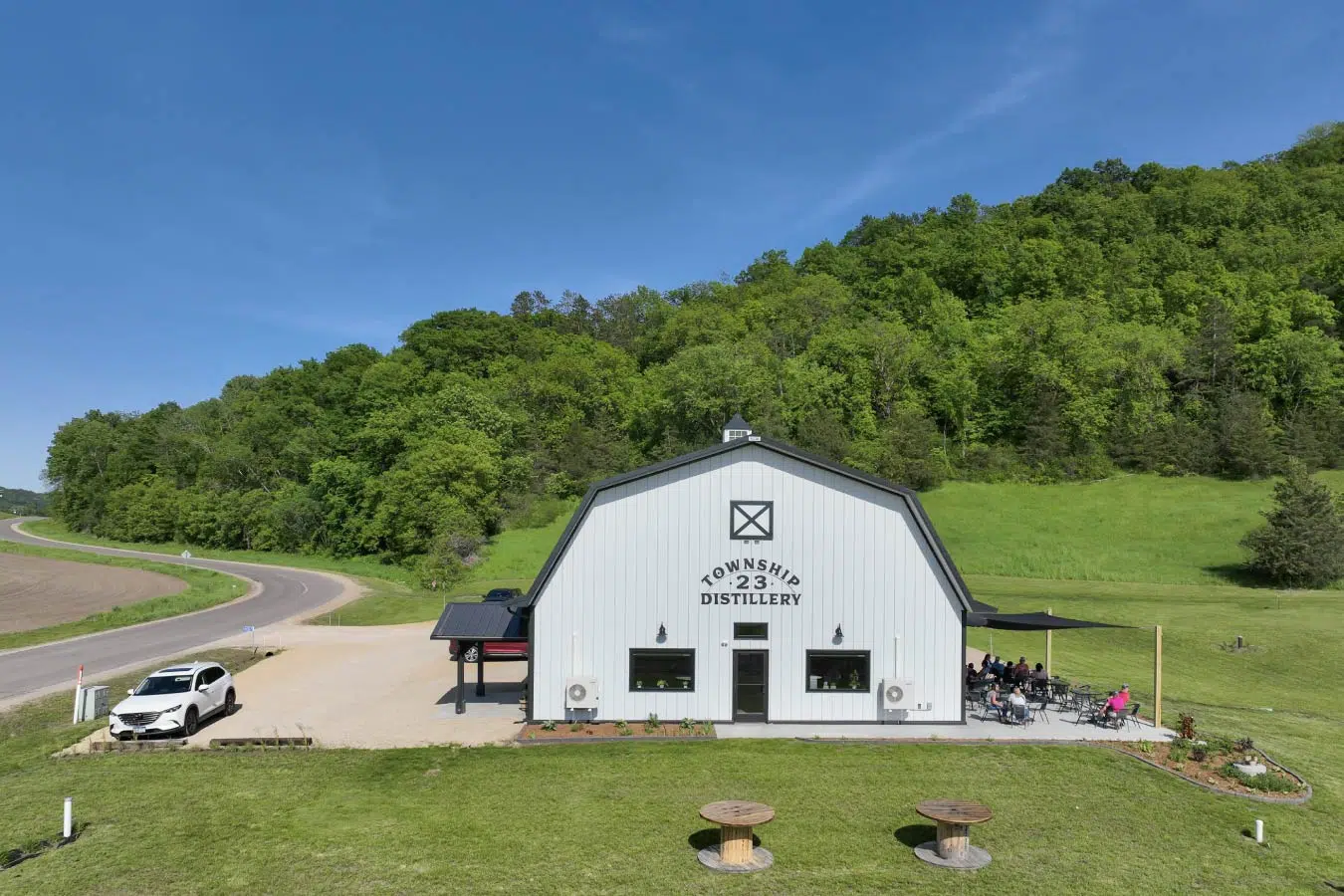
The craft distillery cluster along Cherokee Street, in the South Grand and Tower Grove neighborhoods, and in the Botanical Heights industrial conversions south of Forest Park has created a concentration of distillery-roofing work in a geographic area with a common set of building conditions. The structures in this corridor are typically masonry brick buildings from the 1900 to 1940 period: original wood plank or concrete deck, unreinforced masonry parapets with accumulated freeze-thaw damage, and roof histories that often include multiple membrane generations without full tear-off between them.
Distillation generates more interior moisture than most brewing operations because of the sustained boiling temperatures involved in distilling spirits. Still vents exhaust steam, ethanol vapor, and condensate at temperatures and concentrations that degrade standard rubber pipe-boot flashings within two to three distillation seasons. We specify stainless steel or galvanized metal collar flashings with silicone-sealed terminations at all distillery still vent penetrations as a standard scope item on every South City distillery project.