Service Areas

Commercial Roofing in Alton, IL

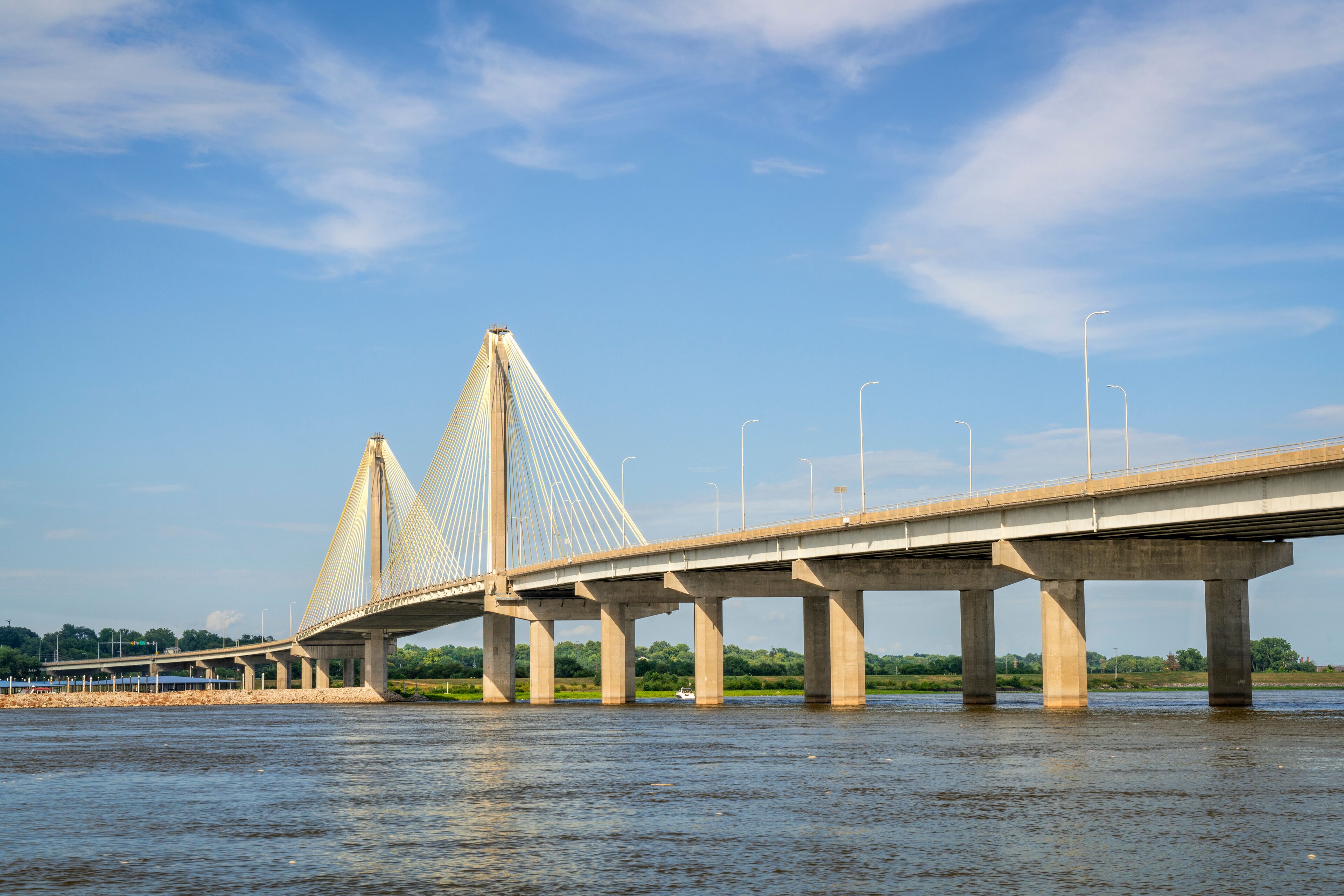
Alton sits on the high bluffs above the Mississippi River confluence, 25 miles north of Downtown St Louis, a historic manufacturing and river city with a diverse commercial base that includes healthcare, manufacturing, and the growing tourism and hospitality district in the riverfront downtown.

Service Areas

Commercial Roofing in Alton, IL

Alton, Illinois occupies one of the most distinctive geographic positions in the St Louis metro: on the Mississippi River bluffs at the confluence of the Missouri and Mississippi Rivers, directly above the Alton Pool that was historically the northern end of the St Louis barge navigation system. The city's commercial history is rooted in manufacturing, glass, paper, and chemical production that made Alton an industrial city of significance for much of the twentieth century, and the commercial buildings that remain from that industrial era include some of the most structurally interesting roofing challenges on the Illinois side of the metro.

Contemporary Alton commercial real estate is fit to three poles. Alton Memorial Hospital and the healthcare infrastructure in the Route 140 corridor north of downtown represents the largest current employer base and the most active commercial roofing market in the city. The historic downtown on Broadway and the riverfront holds a growing mix of restaurant, tourism, and entertainment commercial development, buildings that range from mid-century retail masonry to nineteenth-century brick warehouses that have been converted for hospitality and event use. And the Route 140 and Homer Adams Parkway commercial corridors carry the community retail, medical, and professional buildings that serve the Madison County residential base north of Alton.

We cover Alton from our Downtown St Louis office, about 35 minutes via I-270 eastbound and IL-255 north. We maintain Illinois permit and licensing requirements are reviewed before work begins.

Commercial Roofing in Alton, IL

Scope clarity

What the written scope needs to settle

Alton sits on the high bluffs above the Mississippi River confluence, 25 miles north of Downtown St Louis, a historic manufacturing and river city with a diverse commercial base that includes healthcare, manufacturing, and the growing tourism and hospitality district in the riverfront downtown.

The written recommendation should separate immediate water-control work, system-level defects, drainage concerns, warranty limitations, access constraints, and capital timing so ownership can decide without guessing.

Healthcare and Alton Memorial Hospital Campus

Alton Memorial Hospital and the surrounding medical office and professional buildings represent the largest concentration of commercial rooftop square footage in active healthcare use in Alton. Hospital-adjacent buildings carry the same coordination requirements as medical buildings throughout the metro: rooftop HVAC cannot be taken offline without planned coordination, infection-control protocols affect how materials move through the building, and clinical space noise constraints define the working schedule.

For Alton Memorial and the surrounding medical office buildings, we produce pre-construction coordination documentation that addresses all of these constraints before mobilization. Multi-building hospital campus work requires the same standardized condition reporting format that we apply to BJC HealthCare buildings in the St Louis core, consistent zone mapping, consistent moisture documentation, and consistent capital horizon output across every building in the campus portfolio.

Historic Downtown Alton and the Broadway Corridor

The Broadway corridor and the blocks running down to the Mississippi riverfront in downtown Alton hold the most architecturally complex commercial buildings in the city. Nineteenth-century brick warehouse buildings that have been converted for restaurant, event-venue, and hospitality use carry the same historic masonry roofing challenges we encounter in Soulard and Granite City, layered repair histories, parapet assemblies that have been re-caulked without replacement, and deck conditions that have sometimes been affected by prior flood or moisture events.

We inspect downtown Alton masonry buildings with the same thoroughness we apply to any historic commercial building stock: parapet assembly documentation, exterior masonry face assessment, and core sampling in the field and at high-repair zones. Buildings that have been converted for restaurant use in the past decade may have new exhaust penetrations through aging membrane systems, we specifically document every penetration for flashing compliance on historic converted buildings.

Route 140 and Homer Adams Parkway Commercial Corridors

The Route 140 corridor north through Alton and the Homer Adams Parkway area carry the contemporary retail, medical, and professional development that serves the northern Madison County residential base. Buildings in this corridor are a mix of ages: some from the 1970s and 1980s that are on their second roofing cycle, and newer buildings from the 2000s that are mid-life and entering the maintenance and inspection phase.

The community retail and professional buildings along Route 140 are conventional suburban commercial construction, single-ply systems in various states of maintenance, with the same deferred-repair patterns we see throughout the outer metro commercial market. We inspect these buildings honestly and produce scopes based on what the core samples show.

Mississippi River Bluff Exposure and Climate

Alton's position on the Mississippi River bluffs above the confluence produces a specific climate exposure for its commercial buildings. The bluff terrain above the river valley is subject to stronger and more consistent wind exposure than the valley floor, the same open-terrain wind-fetch effect that affects Bridgeton and Lambert Airport industrial buildings, but from a different geographic cause. Commercial buildings on the Alton bluffs need fastener density designs that account for the elevated wind exposure, not a metro default developed for sheltered suburban terrain.

The river valley below the bluffs produces cold-air drainage through downtown Alton in winter that intensifies freeze-thaw cycling in the historic commercial buildings along Broadway. Moisture in masonry parapet walls on downtown Alton buildings experiences repeated freeze-thaw cycles during any extended cold period, accelerating cap flashing deterioration and parapet face spalling.

Manufacturing and Industrial Legacy Buildings

Alton's manufacturing legacy, the glass and chemical plants, the paper mill, and the industrial support facilities that operated along the river for much of the twentieth century, left a stock of large industrial buildings in various states of current use. Some of these buildings are still in active manufacturing or warehouse use; others have been repurposed or are partially vacant. Industrial buildings from the mid-twentieth century in Alton carry the same aged BUR and early single-ply conditions we see in other historic industrial cities in the metro.

For active industrial buildings in Alton, we apply the same pre-construction inspection and production-coordination protocol as for any manufacturing facility: document every production-critical penetration, build outage coordination into the project schedule, and phase production to maintain dry-in every day. For repurposed industrial buildings, we inspect the existing system and present the scope options based on what the moisture survey reveals.


Start with evidence from the roof, then decide the repair, coating, recover, or replacement path.

Roof Questions

What owners usually need clarified

Do you work on occupied healthcare buildings at Alton Memorial Hospital?

Yes. Alton Memorial and the adjacent medical buildings receive the same hospital-campus coordination protocol we apply to BJC buildings in St Louis, pre-construction meeting with facilities management, written infection-control risk assessment for any work above active clinical spaces, and phased production that keeps the building dry and operational throughout the project.

How do you approach a nineteenth-century riverfront warehouse in downtown Alton that has been converted to a restaurant or event venue?

We inspect the full building envelope, parapet assembly, exterior masonry face, membrane field, and every penetration for flashing compliance, and document conditions before writing any scope. Converted historic buildings frequently have new penetrations installed through aging membranes without proper flashing details. We find those during inspection and include them in the scope.

How far is Alton from your Downtown St Louis office?

About 35 minutes via I-270 eastbound and IL-255 north to Alton. We cover Alton and the northern Madison County commercial market on a scheduled basis with Illinois permit and licensing requirements are reviewed before work begins.

What permit and licensing requirements apply in Illinois?

We confirm Illinois roofing licensing and permit requirements before work begins.

Related Roof Decisions

Keep the conversation connected

These pages cover nearby roof questions owners often need to resolve before a final scope moves forward.

Service Areas

Commercial Roofing in Arnold, MO

Arnold is the commercial gateway to Jefferson County, a city at the I-55 and Richardson Road interchange where South St Louis County transitions into Jefferson County, with a growing commercial corridor of retail,.

Service Areas

Commercial Roofing in Ballwin, MO

Ballwin's commercial stock is concentrated along Manchester Road and Big Bend Boulevard, strip centers, medical office buildings, community retail, and the mixed-use development that has filled in around the Westglen.

Service Areas

Commercial Roofing in Belleville, IL

Belleville is the county seat of St Clair County, Illinois, a city with a historic downtown courthouse square, a growing commercial corridor along Green Mount Road and Route 15, and significant commercial activity.

Services

Commercial Roof Inspections in St Louis

A roof inspection from our team is a written condition report, not a verbal summary. We document what we find, membrane condition, flashing failures, drain status, penetration detail integrity, with photos keyed to a.

Roof Systems

TPO Roof Systems in St Louis

Thermoplastic polyolefin is the volume-grade flat-roof membrane for the St Louis commercial market. We install TPO on mechanically attached, fully adhered, and induction-welded configurations, each scoped to the.

Capabilities

Roof Condition Reporting, St Louis Commercial Buildings

Condition reports are the foundation of every capital decision we support. We produce written, photo-keyed reports that give St Louis building owners a zone-by-zone picture of the roof's current state, not a verbal.